
Water Mitigation


Water Mitigation
When water infiltrates your property, immediate intervention is crucial to prevent damage from spreading to walls, flooring, insulation, cabinets, and structural components. Water mitigation involves controlling the source, extracting water, drying affected areas, monitoring moisture levels, and preventing mold growth following incidents such as leaks, flooding, burst pipes, stormwater intrusion, or sewage backups. Effective mitigation water techniques are essential to minimize long-term damage and ensure a safe environment.
With over 20 years of restoration expertise, our team at Water Damage Restoration Services offers licensed and insured support tailored for homeowners and business owners who require prompt, dependable damage control. Utilizing commercial-grade drying systems, advanced moisture detection tools, and proven cleanup techniques, we work diligently to safeguard your property from long-term structural damage, persistent odors, and microbial contamination.
24/7 Emergency Water Mitigation in Seattle, WA
Water emergencies often occur unexpectedly, such as a pipe bursting overnight, heavy rainfall causing basement flooding, or appliance leaks spreading moisture beneath the flooring before visible signs appear. Emergency water mitigation is essential to minimize repair expenses by rapidly removing moisture and stabilizing affected areas before damage escalates.
Water Damage Restoration Services responds promptly with skilled water mitigation specialists who understand the rapid movement of moisture through building materials. For urgent assistance, call (206) 237-1089 to access 24/7 emergency water mitigation services for your Seattle, WA home or business, ensuring swift protection against further damage.
Same-Day Emergency Response & Rapid Mitigation Dispatch
Timely same-day dispatch is critical because standing water can compromise the integrity of the flooring, saturate drywall, damage electrical systems, and increase the risk of mold growth. Property owners searching for a water mitigation company near me need trained technicians who can inspect, extract, dry, and document damage promptly.
Our mitigation professionals arrive equipped with high-volume extractors, air movers, dehumidifiers, moisture meters, and containment materials. This comprehensive setup enables immediate water removal while safeguarding unaffected areas from moisture transfer and contamination.
| Emergency Situation | Mitigation Priority | Why Fast Action Matters |
|---|---|---|
| Burst pipe | Stop the source and extract water | Prevents saturation of floors and walls |
| Basement flooding | Remove standing water | Reduces foundation and mold risks |
| Appliance leak | Dry hidden moisture | Protects cabinets, subflooring, and drywall |
| Sewage backup | Contain and sanitize | Limits health hazards and contamination |
| Storm flooding | Stabilize affected areas | Prevents spreading moisture and debris |
How Immediate Mitigation Prevents Structural Damage & Mold
Prompt water damage mitigation is vital to prevent moisture from penetrating deeper into wood framing, drywall, baseboards, subflooring, and insulation. Untreated wet materials can swell, warp, stain, weaken, or become unsafe, leading to costly repairs and unnecessary demolition. Rapid extraction and drying significantly reduce these risks.
Mold growth can initiate within 24 to 48 hours when moisture, organic material, and inadequate airflow coexist. Professional water damage mitigation services mitigate this risk by removing excess water, enhancing airflow, applying antimicrobial treatments when necessary, and ensuring affected materials dry thoroughly.
What To Do Before Water Mitigation Technicians Arrive
If it is safe to do so, shut off the water source, avoid areas with electrical hazards, and relocate small valuables away from wet zones. Avoid using household fans if sewage, stormwater, or contamination is suspected, as airflow can disperse harmful particles.
Document the damage with photographs before moving items and retain damaged materials for inspection when possible. Then, contact a professional water mitigation company so trained technicians can assess the property, remove water, and initiate controlled drying.
| Step | Why It Matters |
|---|---|
| Shut off the water source | Helps stop new damage |
| Avoid electrical hazards | Protects personal safety |
| Take photos | Supports insurance documentation |
| Move small valuables | Reduces contents damage |
| Call for emergency water mitigation | Starts drying before damage spreads |
Water Mitigation Services in Seattle, WA
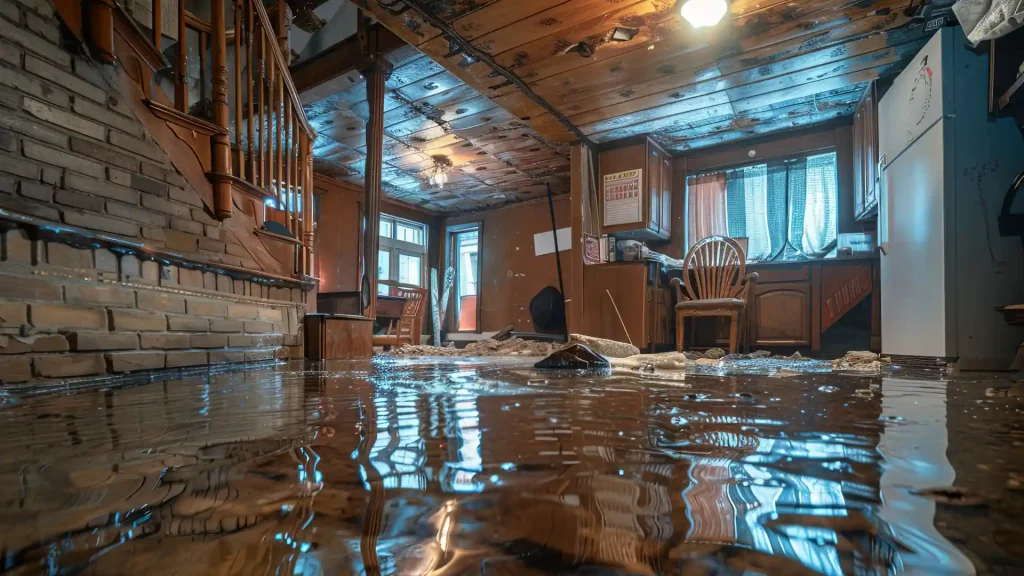
Water mitigation services are specialized to halt active water damage, stabilize affected areas, and prepare properties for necessary repairs. Unlike basic cleanup, mitigation emphasizes moisture control, structural drying, contamination prevention, and thorough documentation to ensure comprehensive restoration. Our water mitigation professionals are trained to deliver these critical services efficiently and effectively.
Our company provides residential and commercial water mitigation using established restoration techniques. Whether addressing minor leaks or large-scale water damage, our trained specialists work to protect your property and minimize operational disruptions.
Residential Water Mitigation for Seattle Homes
Residential water mitigation safeguards flooring, walls, furniture, personal belongings, cabinets, and structural elements following leaks, flooding, or plumbing failures. Seattle homes often harbor hidden moisture behind baseboards, beneath hardwood floors, inside wall cavities, and under tile, making professional inspection essential.
Our team assists homeowners in identifying moisture damage, extracting standing water, deploying drying systems, and mitigating mold risks. When repairs are necessary, we provide guidance toward complementary services such as water damage restoration, water removal, sewage backup cleanup, or fire damage restoration.
Commercial Water Mitigation for Seattle Businesses
Commercial properties require rapid, organized mitigation plans to address potential operational interruptions, employee safety concerns, inventory damage, and liability issues. Offices, retail spaces, warehouses, restaurants, apartment complexes, and mixed-use buildings require meticulous drying and detailed documentation.
Our professional water mitigation services help businesses minimize downtime by employing scalable equipment, moisture mapping, drying logs, and containment strategies. When selecting water mitigation contractors, factors such as experience, certification, response time, and insurance documentation are critical.
Storm, Flood & Burst Pipe Mitigation Services
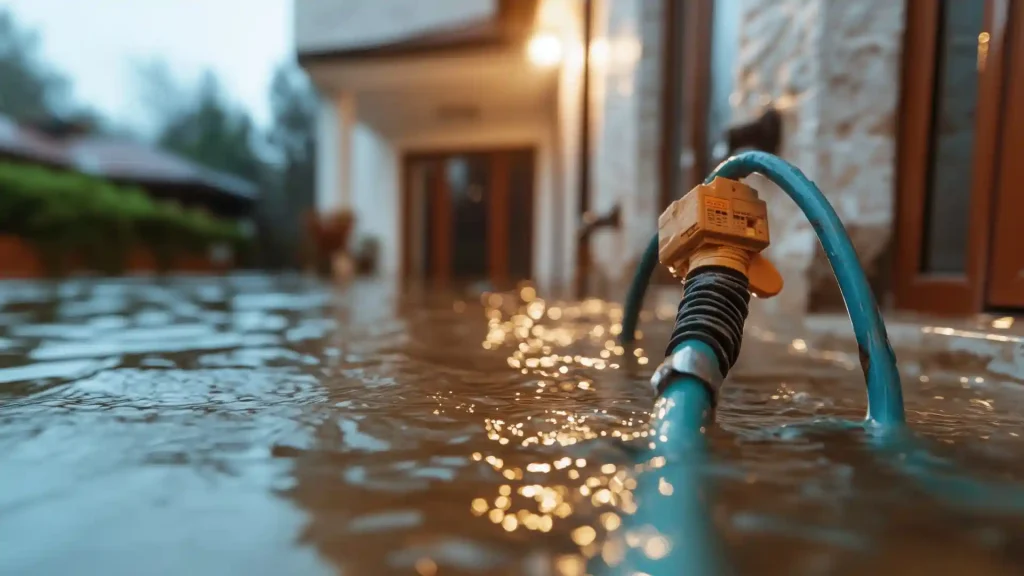
Storms, flooding, and burst pipes can introduce large volumes of water rapidly, necessitating the removal of standing water, debris cleanup, structural drying, moisture monitoring, and sanitation when contamination is present. These events require specialized mitigation approaches to protect property integrity. Water Damage Restoration Services addresses storm, flood, and burst-pipe mitigation, emphasizing swift extraction, effective drying, and long-term protection. Request professional water restoration services in Seattle, WA when water intrusion threatens your home or business.
Common Causes of Water Damage Requiring Mitigation in Seattle
Water damage arises from various sources, each demanding specific responses. Clean water from pipe breaks differs significantly from stormwater, sewage, or water mixed with fire debris. Identifying the cause informs safety protocols, drying requirements, and sanitation measures.
Seattle’s frequent rainfall and prevalence of older properties with basements, crawl spaces, and aging plumbing systems make prompt mitigation essential. The table below outlines common causes of water damage and typical mitigation steps to protect properties effectively.
| Cause of Water Damage | Common Warning Signs | Recommended Mitigation Step |
|---|---|---|
| Heavy rain | Wet basement, seepage, damp walls | Extract water and dry structural areas |
| Burst pipe | Sudden pooling, ceiling stains | Stop source and remove water quickly |
| Appliance leak | Warped floors, cabinet moisture | Inspect hidden areas and dry subflooring |
| Sump pump failure | Basement standing water | Pump out water and test moisture levels |
| Sewage backup | Odor, contaminated water | Contain, remove, disinfect, and sanitize |
Our Water Mitigation Process in Seattle
An effective water mitigation process begins with a thorough assessment and concludes with verified drying. Each phase is documented to provide property owners, insurance adjusters, and restoration teams with a clear understanding of the extent of damage and remediation efforts.
At Water Damage Restoration Services, our process adheres to industry-standard property protection and restoration protocols. Our technicians prioritize source control, moisture detection, safe water extraction, structural drying, and transparent communication throughout the project. Our team holds water mitigation certification to ensure compliance with best practices and industry standards.
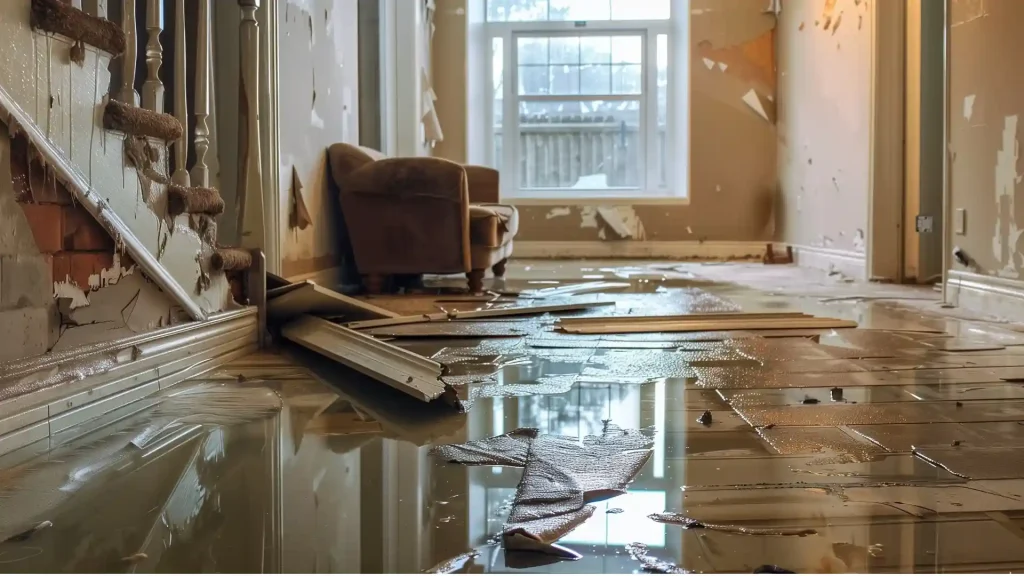
| Time After Water Damage | What Can Happen | Recommended Action |
|---|---|---|
| First few hours | Water spreads into flooring, walls, and trim | Start extraction and source control |
| 24 hours | Materials may swell, stain, or weaken | Begin structural drying and monitoring |
| 24–48 hours | Mold risk increases in damp areas | Use dehumidifiers, air movers, and moisture checks |
| 3+ days | Hidden moisture can cause odors and deeper damage | Inspect cavities, insulation, and subfloors |
| 1 week or more | Repairs may become more extensive | Request full mitigation and restoration evaluation |
Step 1: Inspection, Moisture Mapping & Damage Assessment
The initial step involves a comprehensive inspection of affected rooms, materials, and concealed moisture areas. Technicians utilize moisture meters, thermal imaging, hygrometers, and visual assessments to determine the extent of water penetration. Moisture mapping distinguishes wet zones from dry areas, enabling the development of a targeted drying plan, the identification of safety concerns, the documentation of damage, and recommendations for mitigation, remediation, repair, or reconstruction.
Step 2: Water Extraction & Source Containment
Following inspection, technicians commence water extraction and source containment. This includes removing standing water, halting leaks, isolating contaminated zones, and protecting unaffected areas from moisture migration. High-capacity extractors and pumps expedite water removal compared to towels, shop vacuums, or household fans. Accelerated extraction shortens drying time and reduces the risk of mold growth, material degradation, and secondary damage.
Step 3: Structural Drying, Dehumidification & Air Movement
Once visible water is eliminated, drying equipment is strategically positioned to target moisture trapped within flooring, walls, framing, and air spaces. Industrial-grade dehumidifiers extract moisture from the air, while air movers enhance evaporation from damp surfaces. Effective structural drying requires balanced airflow, regulated humidity, controlled temperature, and continuous monitoring. This step is critical as surfaces may appear dry while moisture persists within porous materials.
Step 4: Monitoring, Documentation & Clearance Testing
Regular monitoring verifies that materials are drying as intended. Technicians record moisture levels, humidity, temperature fluctuations, equipment placement, and material conditions to track progress.
Clearance testing and final documentation confirm the completion of mitigation efforts. These records support insurance claims and inform property owners about subsequent repair or restoration steps.
Water Mitigation & Mold Prevention in Seattle
Water mitigation and mold prevention are interconnected processes aimed at not only removing water but also minimizing conditions conducive to mold, odors, and microbial contamination following water damage. Water Damage Restoration Services employs professional drying systems, moisture monitoring, and antimicrobial treatments when appropriate. This comprehensive approach protects Seattle homes and businesses from hidden moisture issues that may emerge days or weeks after the initial water intrusion.
How Fast Mitigation Stops Mold Growth Within 24-48 Hours
Mold can develop rapidly when wet materials remain untreated. Organic materials such as drywall, wood, carpet padding, insulation, and dust provide nutrients for mold, especially in the presence of moisture and poor ventilation. Prompt water damage mitigation interrupts mold growth by extracting water, enhancing air circulation, reducing humidity, and monitoring moisture levels. These actions limit mold spread into structural cavities and indoor air spaces.
Antimicrobial Treatment & Air Quality Protection After Mitigation
Antimicrobial treatments may be applied to affected surfaces when water conditions, material types, or contamination risks warrant it. This treatment complements drying efforts and supports mold prevention but does not replace thorough moisture removal.
Air quality protection measures may include containment, air filtration, safe disposal of unsalvageable materials, and sanitation following sewage contamination cleanup. These steps are particularly critical after sewage backups, fire and smoke damage, or stormwater intrusion.
Water mitigation may be necessary if you observe:
- Standing water or wet flooring
- Damp drywall or bubbling paint
- Musty odors after a leak
- Warped hardwood or laminate flooring
- Stained ceilings or walls
- Soft baseboards or trim
- Wet carpet padding
- Moisture in a basement or crawl space
- Sewage odor or contaminated water
- Water near electrical outlets or appliances
Water Damage Restoration Services in Seattle
Secure Your Home’s Foundation
Water Mitigation vs. Remediation: What’s the Difference?
Water mitigation and remediation are distinct services often compared due to their related nature. Water mitigation focuses on halting and reducing active water damage, while remediation addresses contamination, mold, or hazardous conditions after damage has occurred. Understanding water mitigation vs remediation helps property owners choose the right approach for their situation. The following table clarifies these differences to help determine the appropriate service for your situation.
| Service | Main Purpose | When It Is Needed |
|---|---|---|
| Water mitigation | Stop damage from spreading | Active leaks, flooding, wet materials |
| Water remediation | Address contamination or hazards | Mold, sewage, bacteria, unsafe materials |
| Water restoration | Repair and rebuild damaged areas | Drywall, flooring, trim, structural repairs |
| Water removal | Extract standing water | Flooding, burst pipes, appliance leaks |
Key Differences Between Water Mitigation and Remediation
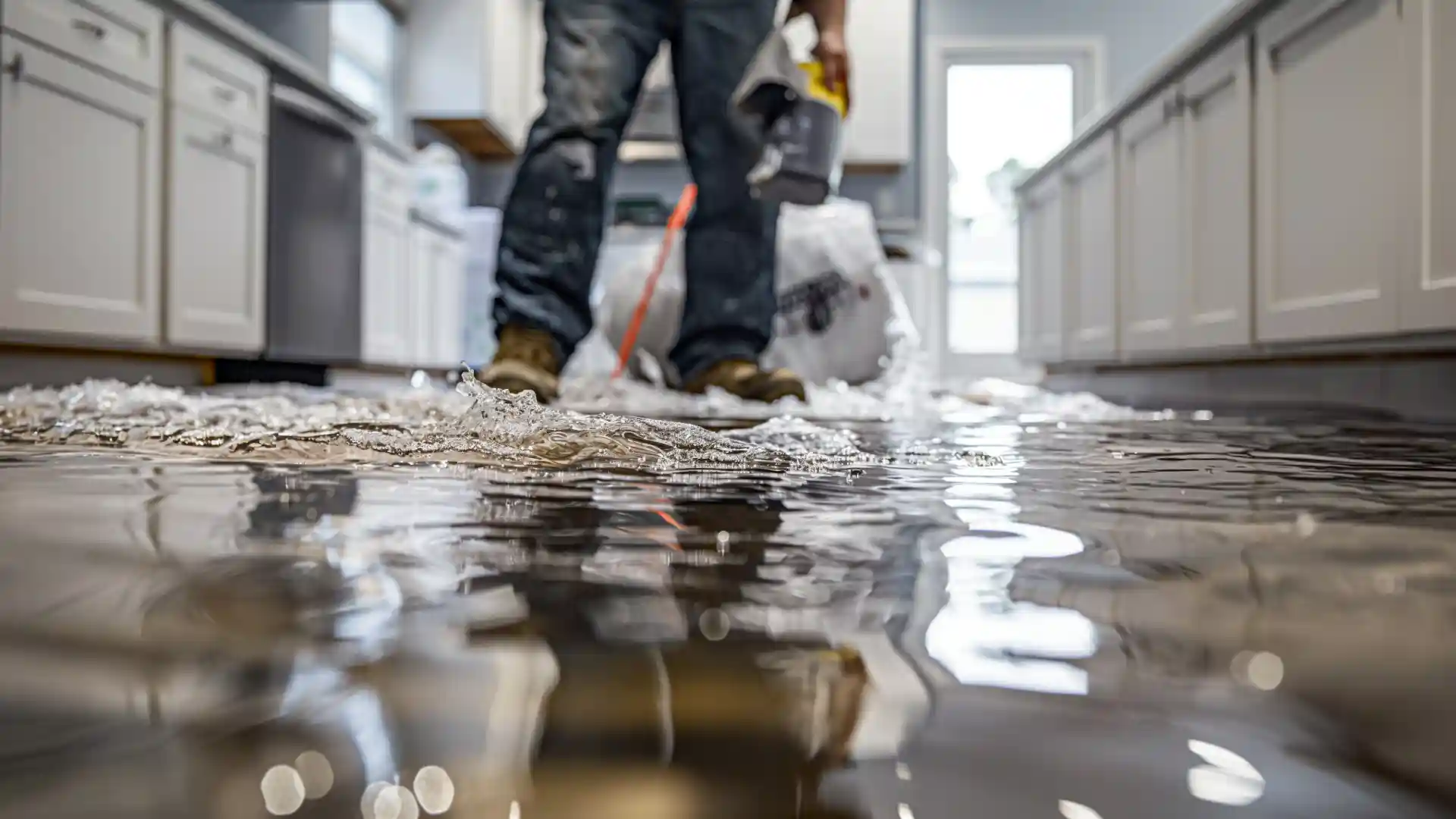
Water mitigation is the immediate response that controls moisture and limits the progression of damage. It encompasses inspection, extraction, drying, dehumidification, containment, and moisture monitoring to stabilize the property swiftly. Remediation targets specific issues such as mold growth, sewage contamination, or hazardous materials. For instance, sewage cleanup involves removal, disinfection, and proper disposal due to the presence of bacteria and viruses and associated health risks.
Which Service Does Your Seattle Property Need?
Depending on the water source and the severity of the damage, your property may require mitigation, remediation, restoration, or a combination of these. Clean water leaks often need only extraction and drying, whereas sewage backups demand containment, removal, sanitation, and repairs. For those searching for water mitigation near me or water damage mitigation services, a professional inspection is the safest initial step. Obtain a free estimate for water cleanup and restoration to identify the most suitable solution.
Advanced Water Mitigation Equipment & Technology
Professional water mitigation relies on advanced equipment designed to expedite water removal, dry hidden moisture, and verify that materials return to safe moisture levels. This technology significantly outperforms household fans and basic cleanup tools. Water Damage Restoration Services uses modern restoration technology to improve the accuracy of damage assessment and drying efficiency. These tools protect flooring, drywall, framing, cabinets, and other materials that are difficult to evaluate visually.
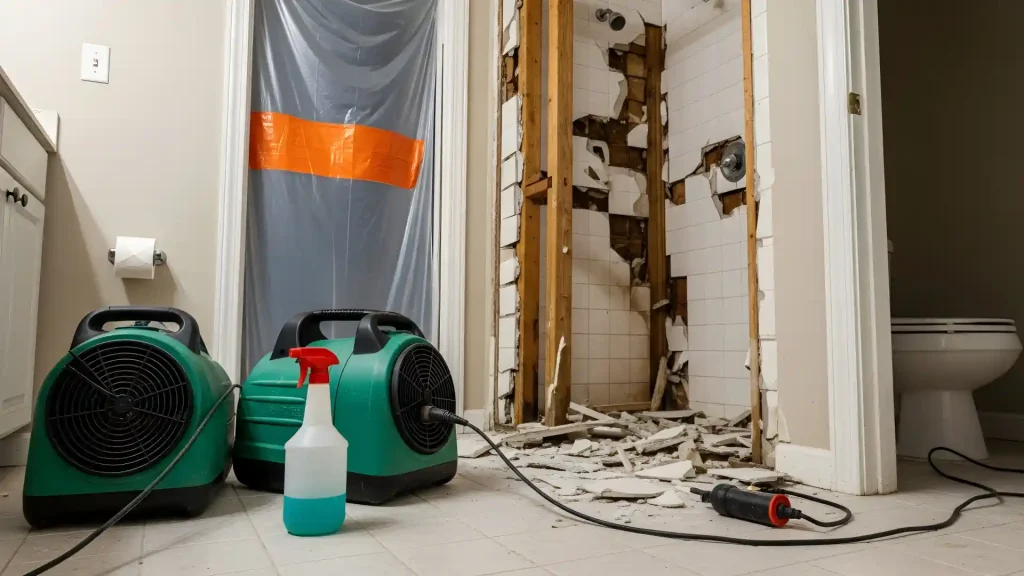
Industrial Dehumidifiers, Air Movers & High-Volume Extractors
Industrial dehumidifiers extract moisture from the air, accelerating the release of trapped water from wet materials. Air movers create targeted airflow across damp surfaces, while high-volume extractors remove standing water and moisture embedded in carpets or padding.
Combined, these systems facilitate structural drying and reduce the duration materials remain wet. Equipment selection depends on factors such as square footage, humidity, material type, water category, and water volume.
Thermal Imaging & Moisture Meters for Hidden Damage Detection
Thermal imaging cameras detect temperature variations indicative of hidden moisture behind walls, ceilings, or floors. Moisture meters measure moisture levels and help technicians monitor drying progress. These diagnostic tools minimize guesswork during mitigation, especially when water has migrated beneath hardwood flooring, behind cabinets, inside wall cavities, or around insulation.
IICRC Certification & Water Mitigation Standards
Proper training is essential when mitigating water damage. IICRC-based certification ensures technicians follow recognized restoration practices for water extraction, drying, safety, and documentation. Our water mitigation certification guarantees adherence to these high standards.
With over 20 years of experience, Water Damage Restoration Services adheres to industry-standard restoration and cleanup protocols for residential and commercial properties. Licensed and insured credentials, trained crews, and thorough documentation provide property owners with confidence during stressful events.
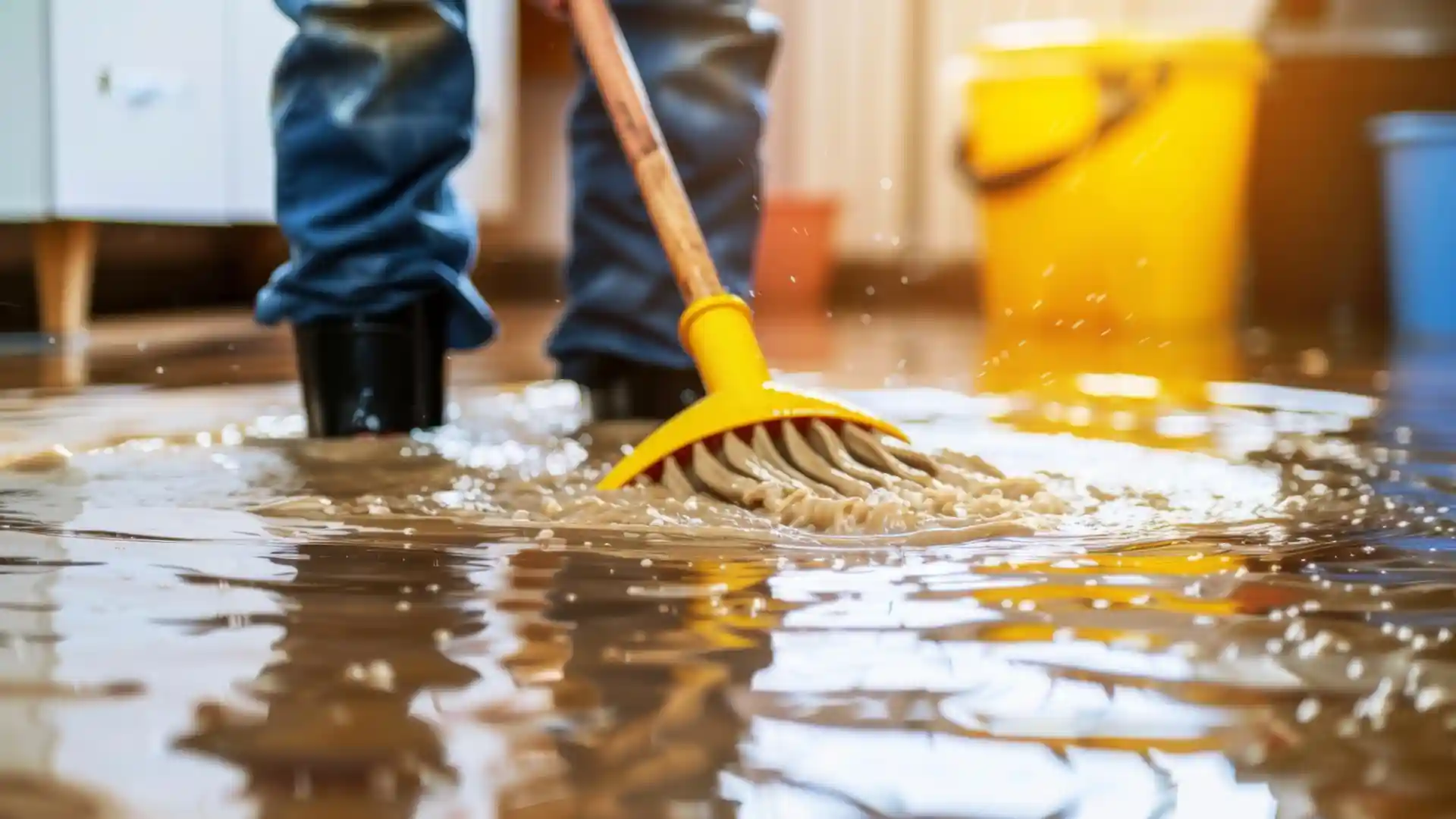
Why IICRC Certification Matters for Seattle Property Owners
IICRC training equips technicians with expertise in water classification, moisture detection, drying science, equipment placement, and documentation. This reduces errors that could lead to hidden moisture, mold growth, and unnecessary material removal.
For those comparing water mitigation companies near me, certification is a key indicator of trustworthiness. It demonstrates knowledge of structural drying standards, contamination control, and industry best practices.
Our Team’s Certifications, Training & Compliance Standards
Our technicians are trained in proper water extraction and drying techniques, sewage cleanup safety and sanitation, and fire and smoke damage cleanup when water damage results from firefighting efforts. This comprehensive training ensures a safety-focused and effective response.
Water mitigation for leaks, flooding, and sewage backups differs from unrelated services such as water radon mitigation systems. If your property has standing water, wet materials, or hidden moisture, contact our trained professionals for inspection, extraction, drying, and damage control.
Water Mitigation Cost in Seattle, WA
Water mitigation costs vary based on the affected area size, water source, moisture level, equipment requirements, and whether contaminated materials must be removed. Small, clean-water leaks typically cost less than extensive flooding or sewage backups.
Water Damage Restoration Services provides transparent estimates based on inspection results, moisture readings, equipment needs, and recommended restoration steps. For urgent water damage in Seattle, WA, call (206) 237-1089 to request emergency water mitigation and cost guidance.
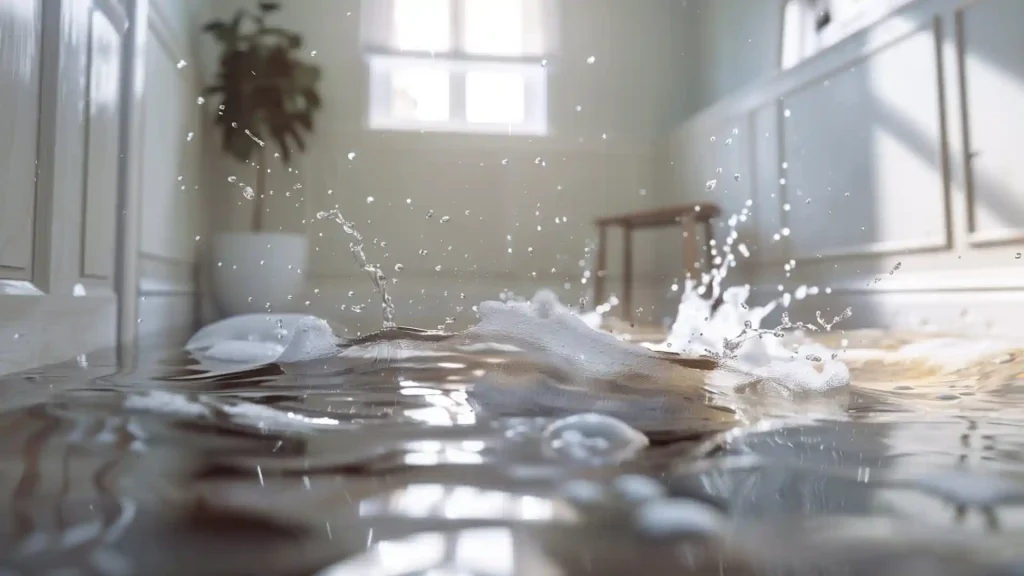
What Factors Affect the Cost of Water Mitigation?
Several elements influence water mitigation expenses, including water category, standing water depth, number of affected rooms, drying duration, material damage, and sanitation requirements.
Key cost factors include:
- Size of the affected area
- Type of water involved (clean, gray, or sewage)
- Volume of standing water
- Need for pumps, extractors, dehumidifiers, and air movers
- Hidden moisture within walls, flooring, or crawl spaces
- Mold prevention or antimicrobial treatment
- Demolition or disposal of damaged materials
- Insurance documentation and monitoring
Average Water Mitigation Costs for Seattle Properties
Costs vary widely due to the unique nature of each water damage event. Minor leaks may require basic extraction and drying, while major floods involve extended equipment use, demolition, sanitation, and documentation.
The table below provides general cost context; however, a professional inspection remains the best way to obtain an accurate estimate.
| Mitigation Scenario | Typical Scope | Cost Impact |
|---|---|---|
| Small appliance leak | Limited extraction and drying | Lower |
| Burst pipe affecting one room | Extraction, drying, monitoring | Moderate |
| Basement flooding | Pump-out, drying, sanitation if needed | Moderate to high |
| Sewage backup | Containment, removal, disinfection | Higher |
| Multi-room flood | Large equipment setup and documentation | Higher |
Does Insurance Cover Water Mitigation in Seattle?
Insurance coverage for water mitigation typically applies to sudden and accidental events such as burst pipes or appliance failures. Coverage varies depending on policy terms, water source, exclusions, and flood insurance requirements. Professional documentation, including moisture readings, photographs, drying logs, equipment records, and scope notes, supports the claims process by providing clear evidence of damage and mitigation efforts.
Seattle’s Trusted Water Mitigation Specialists
Selecting the right water mitigation team is critical because water damage can continue beneath the surface after visible water is removed. Experienced specialists identify hidden moisture, protect structural materials, prevent mold growth, and document drying progress thoroughly.
Water Damage Restoration Services brings over two decades of restoration experience, licensed and insured service, and dependable cleanup support to every project. Our team ensures clear communication, efficient drying, and effective property protection for homeowners and businesses alike. We are proud to be recognized alongside companies like Absolute Water Damage and Mitigation for our commitment to quality.
IICRC-Certified Technicians & Licensed Seattle Contractors
Our IICRC-certified technicians and licensed contractors provide a higher level of expertise and trust. They understand drying science, moisture control, equipment deployment, contamination categories, and the importance of accurate documentation. When evaluating water mitigation companies or contractors, prioritize experience, proper credentials, emergency availability, and customer-focused communication. Contact us anytime for 24/7 emergency water damage restoration when immediate assistance is required.
Contact Our Seattle Water Mitigation Team Today
Water damage does not resolve on its own. Prompt mitigation protects your property, reduces repair costs, prevents mold growth, and facilitates a safer restoration process. Whether facing flooding, burst pipes, fire-related water damage, sewage backups, or hidden moisture, professional support ensures controlled recovery.
Water Damage Restoration Services is prepared to assist with emergency water mitigation, water removal, drying, sanitation, and restoration planning. Call (206) 237-1089 to schedule professional water restoration near me in Seattle, WA, and receive a clear estimate for cleanup and restoration services.
Need emergency water mitigation service near me in Seattle, WA? Contact us now for 24/7 water removal, drying, moisture inspection, and damage control.